Stimare con precisione la quantità di etichette necessarie è un passaggio fondamentale nella pianificazione della produzione e nell'acquisto di etichette personalizzate. Ordinare un numero insufficiente di etichette può interrompere la produzione, mentre ordinarne troppe può far aumentare i costi di magazzino.
Per i produttori di bevande, alimenti, cosmetici e prodotti per la salute, comprendere i requisiti di etichettatura contribuisce a creare un piano di acquisto più efficiente.
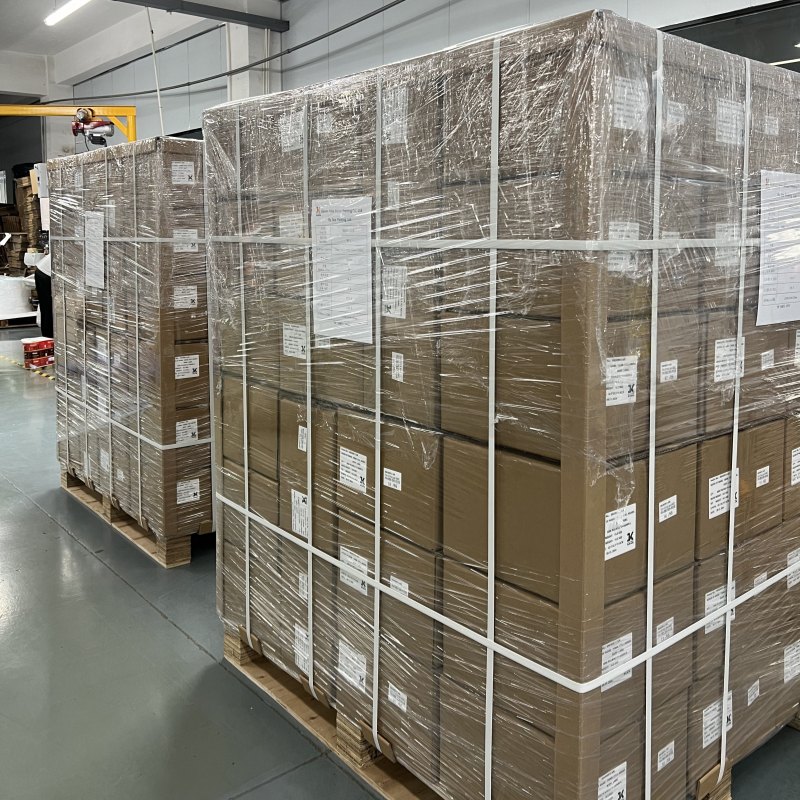
Perché è importante pianificare la quantità di etichette?
L'acquisto delle etichette è solitamente legato ai programmi di produzione. Un preventivo corretto ti aiuta a:
- Evitare ritardi nella produzione
- Ridurre la pressione sulle scorte
- Pianificare i cicli di acquisto
- Controllo dei costi di imballaggio
- Organizzare la produzione delle etichette in anticipo
Formula base per il calcolo della quantità di etichette
Il calcolo di base è:
Etichette necessarie = Quantità di produzione × Etichette per prodotto
Per esempio:
Un'azienda produttrice di bevande prevede di produrre:
500.000 bottiglie al mese
Ogni bottiglia richiede:
1 etichetta
Etichette richieste:
500.000 etichette al mese
Se per ciascun prodotto sono necessarie più etichette, ad esempio etichette anteriori e posteriori, il calcolo deve includere tutte le etichette utilizzate.
Considerare l'inventario aggiuntivo
Nella produzione reale, i produttori solitamente preparano etichette aggiuntive per coprire:
- Test della macchina
- Modifiche all'etichettatura
- Scarti di produzione
- Etichette danneggiate
- Fabbisogno di produzione futuro
Una quantità aggiuntiva comune è:
2%–5% di etichette extra
Esempio:
Produzione mensile:
500.000 bottiglie
Ulteriore 3%:
500.000 × 3% = 15.000
Quantità d'ordine consigliata:
515.000 etichette
Fattori che influenzano la pianificazione della quantità di etichette
1. Volume di produzione
La produzione su larga scala richiede una pianificazione regolare dell'approvvigionamento delle etichette.
Per esempio:
- Piccoli marchi: migliaia di etichette per ordine
- Marchi in crescita: centinaia di migliaia di etichette
- Grandi produttori: milioni di etichette per ordine
2. Specifiche del rotolo di etichette
Per le etichette in rotolo, la pianificazione delle quantità dovrebbe considerare:
- Etichette per rotolo
- Diametro del rullo
- dimensione del nucleo
- Requisiti della macchina etichettatrice
Macchine diverse richiedono specifiche di rulli diverse.
3. Durata di conservazione del prodotto e domanda di mercato
Per i prodotti stagionali o nuovi, le aziende possono optare per quantità ridotte per testare il mercato.
Per i prodotti stabili, gli ordini di maggiori dimensioni solitamente offrono una maggiore efficienza in termini di costi.
4. Materiale dell'etichetta e metodo di stampa
Materiali e metodi di stampa diversi possono avere requisiti minimi di produzione differenti.
Per esempio:
- La stampa digitale è adatta per piccoli lotti
- La stampa flessografica è più conveniente per grandi quantitativi.
- La stampa offset offre risultati di alta qualità per applicazioni specifiche.
Come pianificare gli ordini di etichette per i nuovi prodotti?
Per il lancio di un nuovo prodotto, consigliamo:
Fase 1: Stima della produzione iniziale
Calcola la produzione prevista durante il primo periodo di vendita.
Fase 2: Testare le prestazioni dell'etichetta
Prima della produzione di massa, confermare:
- Idoneità del materiale
- Prestazioni di adesione
- Qualità di stampa
- Compatibilità con le etichettatrici
Fase 3: Pianificare l'approvvigionamento futuro
Dopo aver verificato la domanda di mercato, adeguare le quantità degli ordini per la produzione regolare.
Collaborare con un produttore di etichette professionale
Un fornitore di etichette affidabile può aiutarti a stimare la quantità corretta in base a:
- volume di produzione
- Dimensioni dell'etichetta
- Specifiche del rotolo
- Metodo di applicazione
- Programma di consegna
Noi di Jinke Label supportiamo i clienti dalla fase di test dei campioni alla produzione di massa, fornendo soluzioni di etichettatura personalizzate per diversi settori.
Che abbiate bisogno di etichette per il lancio di un nuovo prodotto o per una produzione su larga scala, possiamo aiutarvi a scegliere il piano di produzione più adatto alle vostre esigenze.


 Italiano




 Sales Executive